
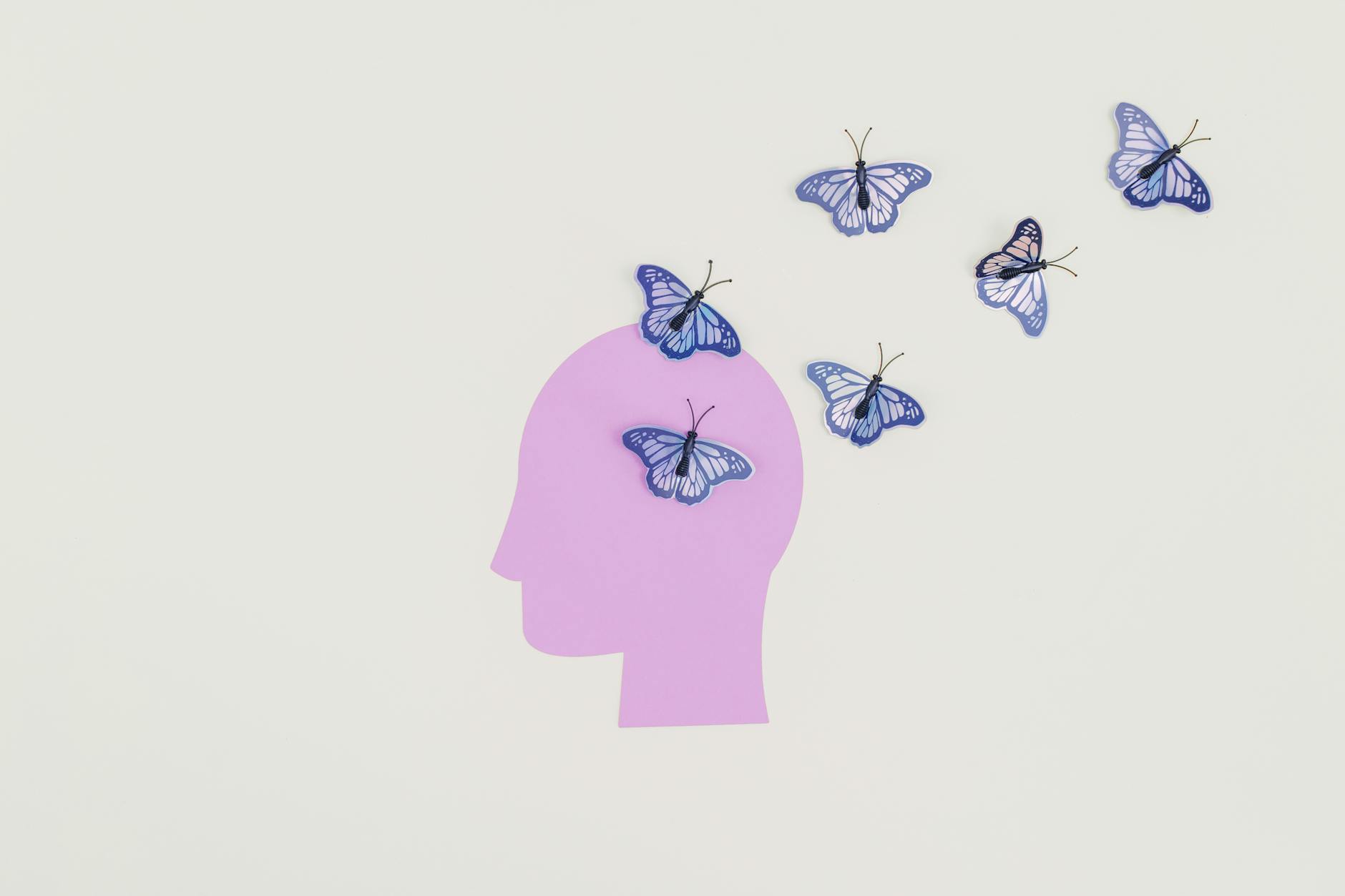
When the clock strikes midnight and the minute hand sits on the line between the old year and the new year, many people enthusiastically swear that this is the year of change. Yes, the dreaded new year resolution. Have you made one or two already?
Typically, the new year resolution focuses on physical changes; however, within 2-3 months you are hit with disappointment. Are you one of those people? Before you step on the hamster wheel again, I challenge you to think outside the box. Instead of physical changes, how about mental health changes?
What’s so important about a mental health resolution? Here are five things to consider when focusing on your mental health.
Mind Games
Give your thoughts a little bit more credit.
Cognitive Behavioral Theory focuses on how one’s behaviors and emotions are directly impacted by thoughts. The ability to forgive, survive, change or resolve hardships are about modifying your views or thoughts of yourself, others and the situation. Here are a few simplified examples:
Thoughts: ‘I am no good’
Likely Behavior: Avoid trying new things or getting into relationships, fear
vs.
Thoughts: ‘I make mistakes. I am not perfect’
Likely Behavior: Acknowledge strengths and weakness, more willing to learn from errors and try new tasks
Have you taken some time to truly listen to your thoughts?
Plan For It
How many hikers scale Mount Everest without a plan? Life requires some planning. How do you start to plan?
- Choose no more than three goals – this helps to decrease feeling overwhelmed
- Break down each goal into daily or weekly bite-size mini-goals
- Add some action steps
- Be realistic about potential barriers that may impact your plan
- Set a start date (put it on the new year calendar).
Repetition Beats Motivation
Hint! Your surgeon does not become skilled by practicing only once or twice.
- Motivation is an emotion. Emotions vary due to different factors and motivation is no different.
- Repetition, whether motivated or not, will eventually become habit forming
- It’s your choice – you have some control
- Instead of relying on emotions to facilitate change, implement a concrete plan by putting it on a schedule (with reminders).
Checks and Balances
Are you keeping track? Review, milestones and reassess.
- Take a peek back at where you started. Do you see any progress/change (even small ones)?
- Write down and place a check mark beside your accomplishments – this boosts confidence
- Place an asterisk beside the missteps
- Identify any barriers that hinder your progress – this is about awareness
- Reassess whether your current plan is working, needs tweaking or changes
Accountability is important.
Flexibility
Give yourself the same grace you extend to others. Afterall, you are very human.
- Rigidity increases stress
- Unexpected events happen. Life happens. For every success and steps forward, there are disappointments, errors and missteps which are all a part of life
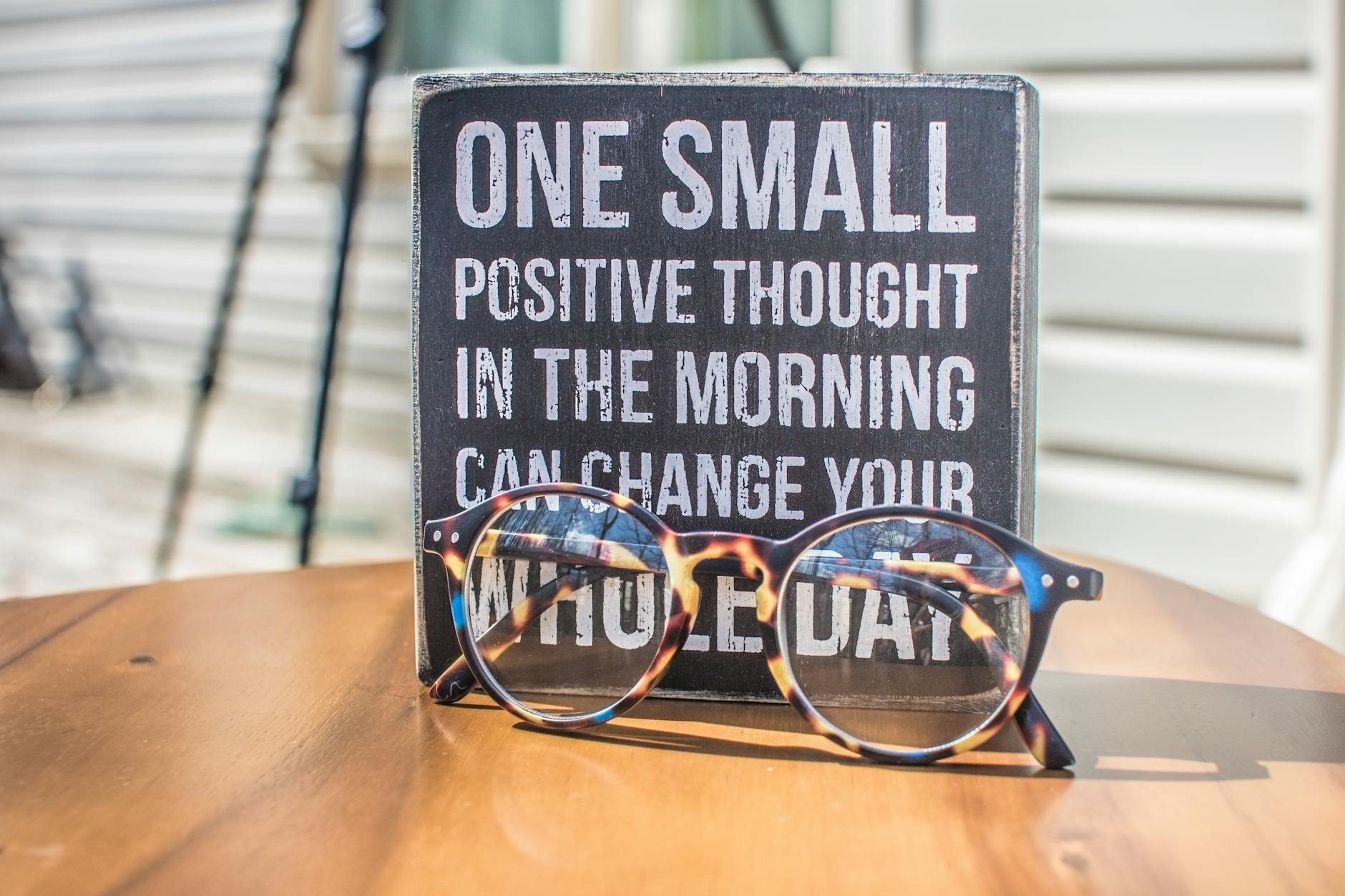
- Setbacks can become lessons to push you forward if you choose to reframe your thoughts.
Are you ready to start taking care of your mental health?
 Charé
Charé 