
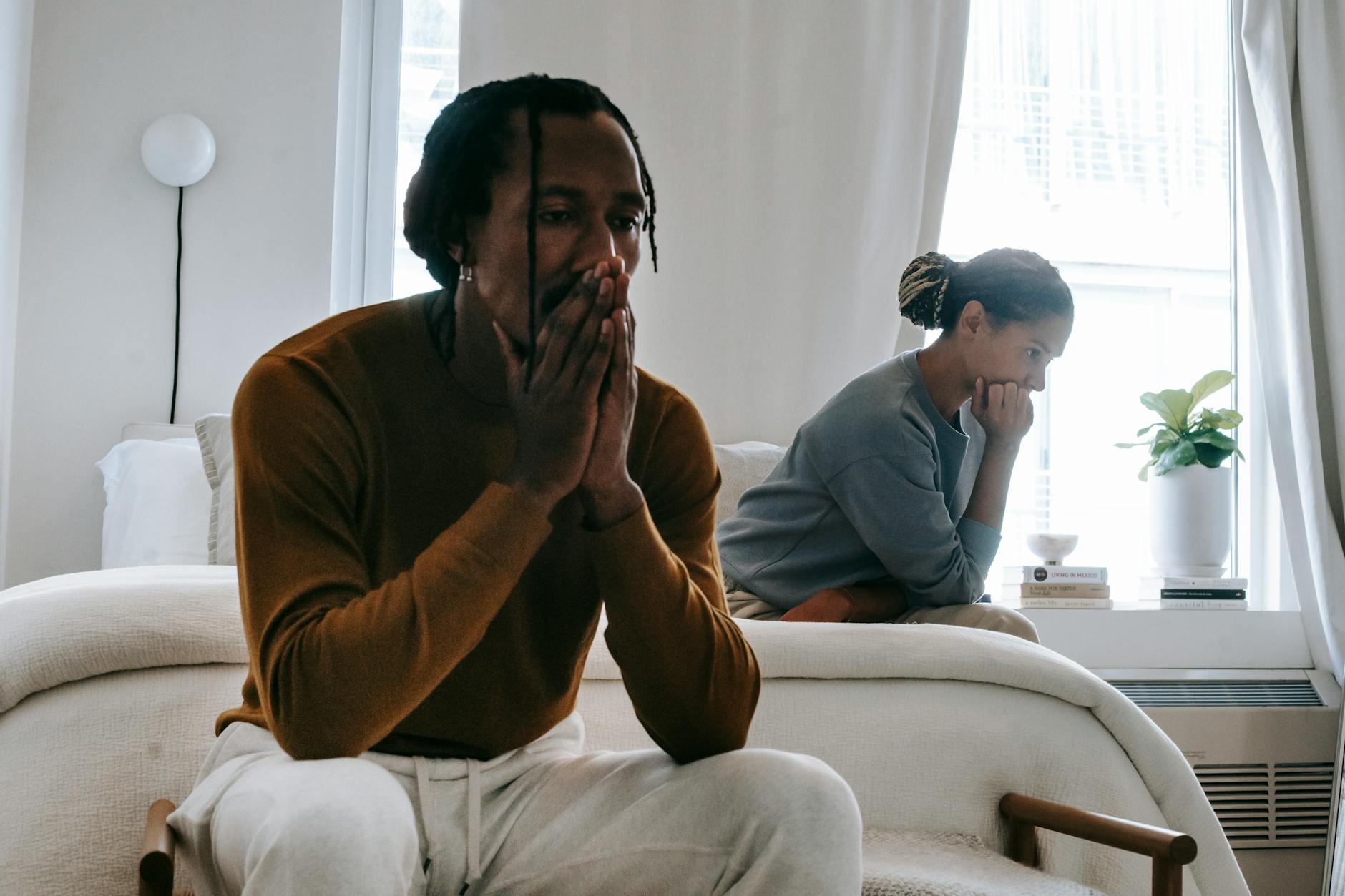
Sex starts in the brain. This was a poignant message during a mini-series entitled The History of Sex1 which attempted to openly explore the topic of sex. So, how does sexual health relate to mental health?
For example, decreased libido is one symptom of depression. Hypersexuality is one behavior associated with the manic phase of bipolar disorder. Anxiety and post-traumatic stress disorder can decrease sexual desire. The trauma of sexual abuse can distort or disrupt sexual health.
Men
There is an unrealistic pressure that all men should be virile and always sexually ready in comparison to women. However, male sexual dysfunction is a very present and pervasive issue that is rarely talked about except in commercials for erectile dysfunction (ED) drugs. It may be shocking for some to know that a 2019 Peer Review2 found that there is a “high prevalence” of ED in young men. It is encouraged that men who are experiencing sexual dysfunction should speak with their primary care provider or urologist to rule out a medical cause.
Stress: Since sex starts in the brain, life events such as work stress, relationship discord, finances, fatherhood and other pressures compete for cognitive attention. Experiencing mental stress or distress impacts men’s ability to focus on intimacy, desire, and performance. There are many things that can impact sexual function, “however, the role mental health plays in a person’s sexual function should not be underestimated.”3
Libido: A low libido/sex drive can negatively impact men’s self-esteem and confidence about their sexual performance. Men who doubt themselves struggle with certain deprecating thoughts which can increase anxiety or depression symptoms which reinforce their low self-esteem. This cycle now impacts their mental health and further degrade their sexual wellness.
Sexual Abuse: The impact of sexual abuse on children disrupts their trust and a healthy understanding of sex and their bodies which can persist into adulthood and negatively affect their adult sexual relationships. Men who experienced sexual trauma as adults also experience a disruption in their sexual wellness.
When the first reports of priests molesting choir boys was made public, the community was in disbelieve that these now adult male survivors could say such things. However, as more victims bravely spoke out, society was forced to accept that these men were violated. Despite the seriousness of the abuse, people continue to make ‘choir boy’ jokes. The public minimizing and ridiculing have contributed to men’s reluctance to disclose sexual abuse.
Women
Contrary to popular belief, women have as healthy a sex drive as men. However, various changes in their lives and fluctuating hormones can decrease their sexual interest. In addition, women’s mental distress can arise from such issues as body-image messages which starts at an early age, abuse, post-partum struggles and menopause which all affect sexual health.
Stress: Women experience their own gender focus societal pressures. The stress can include distorted body image, low self-esteem, ridged expectations as a working woman or as a stay-at-home provider, pressure to be married and have children and even aging naturally.
Libido: Women experience low libido for a number of reasons and they are encouraged to speak with their primary care provider or gynecologist to rule-out a medical cause. Women with healthy or higher libido than their male partners can be made to feel shame for their sexual desires. As they try to diminish their own desires to appease their partners, this can create stress in the relationship. On the other hand, many women are ignorant about their sexual health due to the absence of credible information. They are unfamiliar with their own bodies which can result in experiencing less pleasure from sex but still feel the pressure to perform in a relationship.
Sexual Abuse: The World Health Organization reports that “Across their lifetime, 1 in 3 women, around 736 million, are subjected to physical or sexual violence by an intimate partner or sexual violence from a non-partner – a number that has remained largely unchanged over the past decade.” 4
Sexual abuse disproportionately affects girls and women. The victims and survivors can struggle with a dislike for their own bodies, decrease or lack of desire to be touched which affects intimacy and sexual pleasure, and they can experience physical5 or psychosomatic pain during sex.
Awareness
Sexual health is not just about procreation. There are various positive benefits when men and women acknowledge, repair and maintain their sexual health. First, society has to put aside the shame and silence in order to facilitate informative discussions.
Mental distress can affect anyone which in turn has a negative impact on sexual health. Sexual health encompasses the way you talk, think or feel about your body, having open communication about intimacy, desires and sexual behaviors, and addressing mental health barriers.
If you are experiencing sexual abuse, know of someone, or had experienced sexual abuse, please reach out to any of the sexual abuse resources listed:
RAINN – National Sexual Assault Hotline 800-656-HOPE (4673) https://www.rainn.org/
Crisis Text Line – 741741 https://www.crisistextline.org/
Resources and Additional Reading
1Milio, J., McPherson, K., & Peltier, M.J. (1999). The History of Sex, Aired on the History Channel
2Yetman, D. (2020 Mar 5). Is erectile dysfunction common? stats, causes, and treatment. https://www.healthline.com/health/how-common-is-ed
3Internation Society for Sexual Medicine. Do mental health problems have an effect on sexual function? https://www.issm.info/sexual-health-qa/do-mental-health-problems-have-an-effect-on-sexual-function
4World Health Organization. (9 Mar 2021). Devastatingly pervasive: 1 in 3 women globally experience violence. Devastatingly pervasive: 1 in 3 women globally experience violence (who.int)
5Staff, H. (2021, December 18). Sexual intimacy after sexual assault or sexual abuse, HealthyPlace. Retrieved on 2024, March 24 from https://www.healthyplace.com/sex/abuse/sexual-intimacy-after-sexual-assault-or-sexual-abuse
Montejo, A.L. (2019 Oct 26). Sexuality and mental health: the need for mutual development and research. Journal of clinical medicine, 8(11), 1794. https://www.ncbi.nlm.nih.gov/pmc/articles/PMC6912629/#:~:text=Depression%2C%20bipolar%20disorder%2C%20anxiety%20disorders,be%20properly%20identified%20and%20addressed.
 Charé
Charé 