
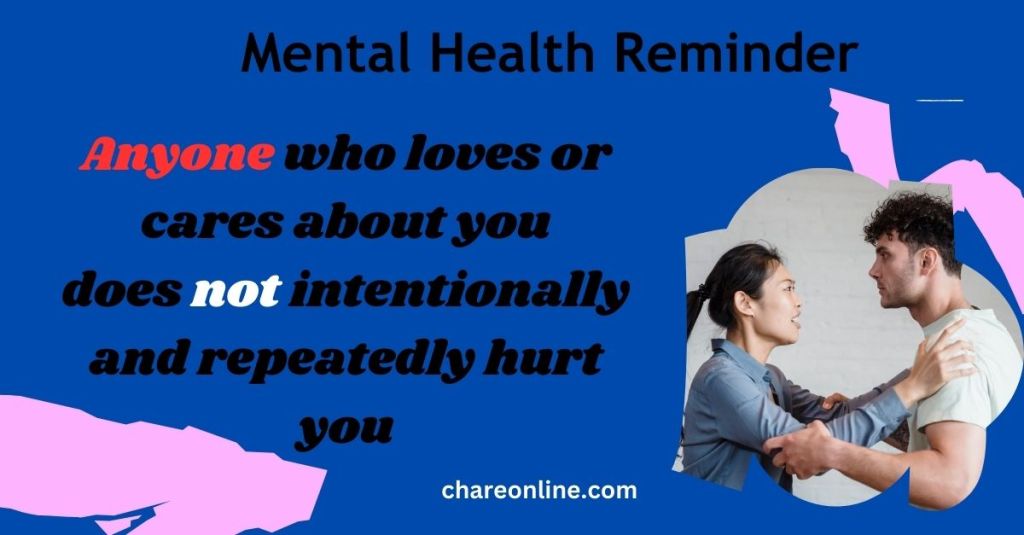
Toxic Love Indoctrination
How did society become indoctrinated with the concept that unhealthy behaviors mean love?
Maybe you can remember when tv shows depicted little girls being punched in the arms or pushed off swings and the grownups happily declared ‘he likes her.’
Maybe it is those romcoms of a man pursuing a woman who acts indifferent or even hostile. There will be that one scene when she attacks him physically or verbally and then he grabs her with force and plants an intense kiss that melts her heart and they both realize their mutual love.
Maybe it is a song about a volatile couple who cannot stay away from each other because no matter what happens between them, they love each other.
These repeated messages showcases the toxic versions of relationships labelled as love; however, the slow acceptance of these behaviors corrupt the mind and redirect us from what love really looks like.
Behavior Characteristics of Love
The concept of love was first introduced during childhood. Our first demonstrated behaviors of love come from our caregivers and family. Whether a child is raised with caregiver abuse or neglect or caregiver respect, support and kindness, their perception of love will be influenced by those images.
In addition, during the teenage years, our peers and social environment also play a significant role in our perception of love and healthy relationship. Therefore, a child from a healthy supportive home can become entangled in an abusive relationship because of social reprograming.
How do we decipher healthy from toxic? Whether you are religious or not, some of the best descriptor of love comes the Bible. 1 Corinthians 13 aptly named the love chapter. Here are some of the characteristics of love paraphrased from verses 4-7:
- It is kind
- Humbling
- Not envious
- Not provoking
- Seeks truth/honesty
- Not selfish
- Is not negative
- Does not keep score
- Is enduring
In addition, love:
- Values respect even during disagreements
- Facilitates open communication
- Supportive in the best and worst of times
- Honors commitment even during difficult times
Love Is Not
Love is not just a wild thumping feeling in your heart or butterflies in your stomach. There are various researches1 that show how the brain plays a significant role in the euphoric feeling of love. This emotional experience is where many are caught and often times unable to define healthy vs. toxic.
Here are some clear signs of toxic/unhealthy behaviors:
- If someone is sexually, physically or verbally aggressive towards you, it is called abuse not love.
- If someone cheats repeatedly, this is called infidelity and untrustworthiness not love
- If someone pressures you repeatedly to do something you do not want, it is called manipulation not love
- If someone persistently worries that you will engage in behaviors that will sabotage the relationship, it is called paranoia not love
- If someone tells you what to do, where to go, how to dress, what to eat or who to speak with, it is called controlling not love
- If there is an uneasiness around that person, that is a warning not love
- Fear is not love, it is just fear
Fear Breathes Complacency
How is it that so many confuse love with unhealthy behaviors? In actuality, fear is mistaken for confusion. The reality is many people in relationships are aware of either their own or their partner’s unhealthy behaviors; however, fear keeps them in the situation.
Complacency due to loneliness – There is a loneliness epidemic2 as we move away from families, live on our own, isolate and therefore, lose connection to others. On the contrary to the isolative culture, we are meant to socialize and connect with others. When someone finally ventures out of their isolation and meets a romantic person of interest, the overwhelming desire to break that loneliness is greater than assessing the quality of the relationship and walking away at repeated signs of unhealthy behaviors.
Complacency due to distortion – We learn a distorted meaning of love from an early age which carries over into adulthood. Many people are surrounded by couples who perpetuate unhealthy relationship behaviors and as such, it is the normative in daily life. Despite the subconscious voice that tells you something is not right, social programming holds them in toxic relationships.
Complacency due to societal pressure – Society’s pressure to be in a relationship is a strong factor in staying in unhealthy relationships. Singles individuals are fed certain messages about which marital status is more valued. The first message states that the single status, especially after a certain age, holds a negative connotation. The second message portrays married life as a Disney fairy tale that magically happens without much effort. These messages fuel an eagerness and urgency to become a couple no matter the cost. This results in women who dream of their wedding day and couples who are more anxious for the wedding or marital status change but ill prepared to have a healthy long-term relationship.
Love Is Never Toxic
Love has never been toxic. Social media easily spreads the tragic tales of men and women expressing their love hurts stories. This forces the healthy relationships into the unrealistic fantasy box. In truth, the emotional pain is actually from other things such as betrayal, abuse, lies, manipulation, incompatibility etc but not love.
People in relationships are now more familiar with toxic love than with healthy behaviors of love. Those in pursuit of healthy relationships are accused of being picky or appear to be on a quest for a unicorn. This is in contracts to the distorted version which is more easily accessible and acceptable.
Is it that toxic loves company?
Let’s change the narrative and fight for healthy relationship behaviors of love to become the norm.
Challenge:
- How do you define love?
- What messages do you tell yourself about what love is?
- Do your experiences of love behaviors align more into the positives or negative?
- What are your contributions in a toxic relationship?
- Is it time to make an appointment with a marriage and family therapist?
Sources
- Thompson, B. (2024, Jan 10). In a first, study finds just how romantic love rewires the brain. New Atlas. https://newatlas.com/biology/romantic-love-rewires-brain/
- US Surgeon General (2023). Our epidemic of loneliness and Isolation. https://www.hhs.gov/sites/default/files/surgeon-general-social-connection-advisory.pdf
 Charé
Charé 